How Much Is My Southern Oregon Home Worth? A Pricing Guide
The short answer: your home is worth what a ready, qualified buyer will pay for it in today's market. Everything else, the list price we choose, the appraised value the bank orders, the county assessment on your tax statement, is an estimate of that number. Here is how that estimate is built, so you can check it yourself.

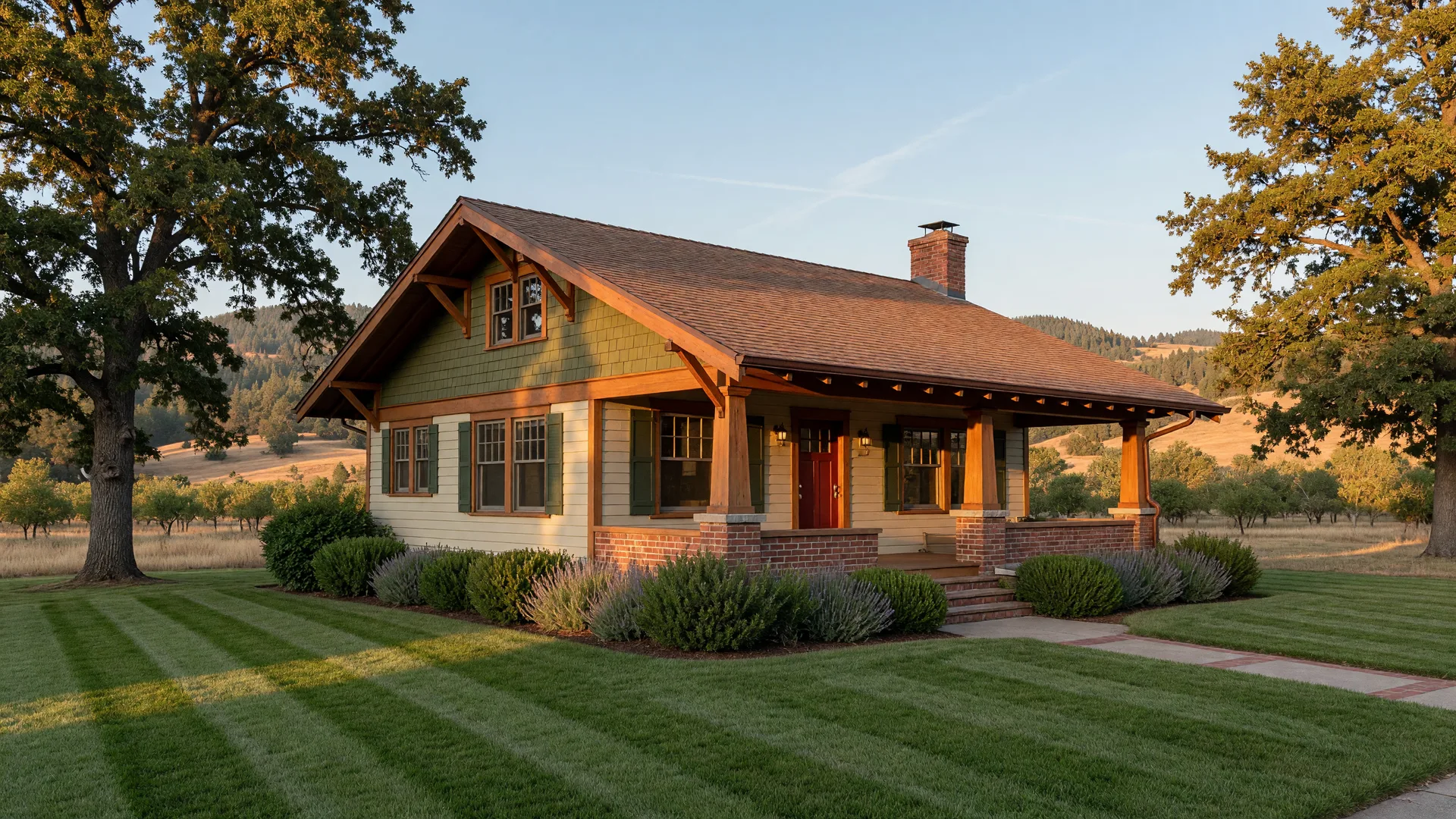
After more than 30 years in real estate, I can tell you the pricing question is the one that comes up first in nearly every conversation, whether the caller lives here in Medford or is selling from another state. It is also the question where sellers get the least helpful information. Let me walk you through how a Southern Oregon listing price is actually built, what the appraiser is doing later, and where the trap in the process hides.
As a starting point, it helps to know the lay of the land. In spring 2026, using Rogue Valley Association of Realtors data, the median existing home sold for about $425,000 in Jackson County and about $365,000 in Josephine County, with typical marketing times around three weeks in Jackson County and roughly a month in Josephine County. Rural properties sold noticeably higher than town homes. But medians only describe the middle of the market. Your house is priced one address at a time, and the method matters more than the averages.
What Does Market Value Actually Mean?
Market value is the price a willing buyer and a willing seller agree on, with no pressure on either side and both reasonably informed. It is a range, not a single number, and it moves as the inventory around you changes. Four different numbers get mixed up in every sale, and keeping them straight saves a lot of confusion:
- Assessed value. What the county uses to compute your property tax. Oregon's assessed values are capped and adjusted by law, and they often sit well below what a home would sell for. It is a tax number, not a market number.
- Market value. What the evidence says a buyer would pay today. This is the conversation we start with.
- List price. The number we actually put on the listing, which is a strategy for attracting the right buyers as much as a reflection of value.
- Appraised value. The appraiser's opinion of market value, prepared for the buyer's lender near the end of the process. More on this below, because it is where deals get interesting.
When you ask what your home is worth, what you really want is a defensible market value range backed by sales evidence. Everything after that is the fun part, and that is where experience talks.
The Price Starts With Comparable Sales
The professional method is comparative market analysis: recent closed sales in your area, adjusted for differences, then positioned against what is currently for sale. Here is what a careful agent lines up before suggesting a number:
- Sold sales that actually closed, not asking prices. What sellers hope for does not tell you what buyers accepted. Recent closed sales in the last few months carry the evidence.
- The right neighborhood or town. A home in downtown Jacksonville behaves differently from one on five acres near Eagle Point, even at the same square footage. Within the same city, one street can differ from the next.
- Size, condition, and the extras. Square footage, bedrooms and baths, lot size, updates, and any outbuildings are adjusted dollar by dollar.
- What is currently for sale nearby. Active listings tell you who your buyers will actually compare you against, which matters as much as what sold.
Price per square foot is the most misused shortcut in pricing, and Southern Oregon exposes the flaw quickly. A newer $525,000 home on a third of an acre in a Medford subdivision works fine at that metric. Several acres with a well, septic approval, and water rights not on the tax rolls, a large shop building, or river access, does not follow the same math. Per-square-foot is a starting point, never the answer on its own; the flagship comparable method is a whole picture built from pieces of evidence.
Good comparables are also adjusted for what is and is not similar. A home with a new kitchen and mechanicals earns more than the same floor plan frozen in 1985, even if both are the same age.
Why Two Agents Can Give You Two Different Numbers
Because the analysis, behind the number, is judgment, and two experienced agents can reasonably weigh the evidence differently. You might hear one estimate near $449,000, another at $469,000, and both will have sound reasoning, along with a different read on buyer depth, recency of sales, and how much the neighborhood is shifting.
Here is what to do with that: ask each agent to show you the three sales behind the number before they give you the price, and a broad view of the comparables they would use in reality. An agent who resists sharing the comparable analysis is not giving you a market opinion; the agent is trying to sell you a listing. You want someone who treats the number as the centerpiece of the strategy, not a prize for your affection.
The most common pricing failure is the buy-the-listing trap: an agent quotes high to win the business, the listing sits, activity dies after three weeks, and the seller eventually reduces to the number the honest analysis supported at the start. That mistake costs weeks and money. The strongest listing presentation shows comps, competition position, and a plan for the price over the first thirty days.
Your List Price Is a Positioning Decision
The list price you choose sets who sees the home and how seriously they weigh it. Buyers search in bands, often up to the dollar threshold of their limit, and they sort by price. Price slightly above a search boundary and you can quietly fall out of the results that matter; price just under a round threshold buyers search to, and your home shows up in more searches.
The first two to three weeks on market carry real weight in the Rogue Valley. That is when interest is freshest, when the most eyes see the home, and when a listing gathers its first reactions from agents and their clients. A price slightly below where your evidence says the market is can generate the activity that produces multiple offers; a price at the top of the range can stall the momentum that listing freshness brings.
Overpricing is not harmless, it compounds. The first week or two passes with few showings, listings approaching three or four weeks start to feel stale, and buyers who did see the home early assume something is wrong if it is still there. When the inevitable reduction comes, it happens from a position of weakness, and the final number often lands below where the correct price would have started. Underpricing has its own risk, leaving money on the table when demand is strong. The skill is finding the middle, and your goals and comfort level belong in the strategy, not just in the math.
What the Current Numbers Say About Southern Oregon
Here is the spring 2026 context, drawn from Rogue Valley Association of Realtors data: the median existing urban home in Jackson County sold for about $425,000, up about 3.7% from a year earlier, at roughly three weeks on market. Josephine County came in around $365,000 at its median, with closer to a month of typical marketing time. Rural homes in both counties ran meaningfully above the county medians. That snapshot tells you buyers are present and the market has structure to it, but your address, your condition, and the homes around you set your price, not the county line.
Two of my recent articles go deeper into where the market stands and how positioning plays out for property owners: the shift to balanced inventory across Southern Oregon and the fall 2026 balanced market guide. Both were written for sellers thinking through exactly this decision.
The Appraisal Is a Different Number
After your buyer's offer is accepted, their lender orders an appraisal. The appraiser's job is to estimate market value for the loan, using closed sales, current listings, and sometimes pending sales, and their report is the standard method for checking the contract. Most appraisals confirm the contract reasonably; when the market is moving fast, they can lag reality by several weeks of sales data.
If the appraisal comes in below the offer price, you have options, not a dead deal: renegotiate toward the appraised value, the buyer can bring extra cash to cover the gap, you can challenge the report with sales the appraiser missed, or you can meet in the middle. An experienced agent has navigated each path. What you can do long before an appraisal arrives is hand your listing agent every piece of improvement and sales evidence. A tidy fact sheet with updates, dates, and values attached can be the difference between a smooth appraisal and a fight.
One distinction matters: the appraiser sets the loan value, the buyer sets the payable price, and the market sets what is really there. When the buyer pays above appraised value with cash, that tells you something real about demand. When buyers all seem to stop at a number, that tells you the market has spoken.
How Competition Sets the Ceiling
Your price ceiling in a normal market is the best comparable currently for sale near you. When three similar homes are listed within a few miles, buyers tour all three, compare them in their notes, and make one decision that prices all of them. That reality means your positioning strategy must account for who is for sale near you right now, not just who sold last quarter.
Watch what your competition does. When the house two streets over reduces after a quiet month, buyers re-set their sense of the neighborhood. When a similarly updated home sells quickly at a strong number, the evidence lifts everyone. These are the currents an agent reads monthly as they watch the market, and they are exactly why a one-time "value" estimate can be stale within weeks.
Southern Oregon Pricing Realities That Change the Number
Rural acreage prices the land and the systems
On rural property, value lives in the land, the water, and the improvements beyond the house. Buyers and appraisers on acreage weigh the well and its log, the septic system and its records, water rights, access and easements, and the condition of outbuildings, sometimes more than the kitchen. A property with documented water and a clean septic report carries different evidence than one where those questions are open. The rural property seller guide walks through the documentation buyers expect, and the answer center covers wells and septic questions specifically.
The luxury and lifestyle segment prices differently
In Jacksonville, the Ashland foothills, and along the Rogue River, the buyer pool is smaller and the homes more distinctive, so every sale is a smaller sample and pricing leans harder on judgment. Distinctive homes also draw buyers who value specific things, river access, views, history, acreage that the spreadsheet cannot reward. For that world, see what buyers are looking for in Southern Oregon luxury listings and the Jacksonville and Ashland seller guide.
Vacant, inherited, and as-is homes price for condition
An inherited or long-vacant home often carries deferred maintenance that buyers see immediately. Those properties generally price for their honest condition rather than a repaired version of themselves, and that is a legitimate strategy, as long as the price, the condition, and the disclosures all tell the same story. The as-is versus repairs decision is one to make early, because it changes the number.
Insurance can narrow the buyer pool
Across the Rogue Valley, whether a buyer can insure a property can matter as much as the price itself. For homes in or near wildfire-prone areas, financing can hinge on insurance availability, which quietly narrows the pool of qualified buyers and affects what a seller can realistically expect. Our home insurance guide for Southern Oregon explains the landscape and the questions to ask before you list.
Updates add value, not dollar for dollar
A renovated kitchen does not add every dollar it cost, and a brand-new roof adds little to price even though it protects one. Buyers reward what they can see, use, and avoid spending on; they are polite about infrastructure they cannot photograph. The practical order is the same one in my article on what to fix before selling: safety, functioning systems, and clean presentation earn more than ambitious renovations.
What to Bring to Your Pricing Conversation
You do not need to know the market to get a great price, that is the job. But these items make the conversation sharper, and an out-of-area owner can gather most of them from a distance:
- Your address, approximate square footage, lot size, and year of the home, plus anything unique: acreage, outbuildings, river or view frontage, a shop, a barn.
- Major updates with dates: roof, water heater, heat and air, windows, kitchen and bath work, electrical or septic work, with approximate costs if you have them.
- Rural records: the well log, recent water test results, septic inspection or pumping records, water right certificates, and any easement or shared-road documents.
- Your most recent property tax statement, so we can compare the assessed value and talk about why it differs from market.
- Anything you know about condition, even the unflattering parts. Disclosed honestly, surprises on paper are manageable, surprises at the inspection are not.
If you live outside the area, send what you have and let your agent fill the gaps locally. A broker who works with out-of-area owners every day will know where to pull county records, call the jurisdictions, and walk the property with you remotely. That is a core part of how out-of-area selling works in Oregon, and the out-of-area selling guide explains the full process.
Common Questions About Home Pricing
Is the county's assessed value what my home is worth?
Usually not a reliable market number. Oregon assessment limits and caps how much assessed values can rise each year, so the assessed value often lags what buyers would actually pay. Look at recent sales near you first, not your tax bill.
Should I price high to leave room to negotiate?
Room to negotiate downward is not pricing; it is a wish list. A stretched price usually costs showings and momentum in the critical first weeks, then forces a larger reduction later. Price at market and let a strong offer exceed your expectations instead of starting there.
What happens if the appraisal comes in low?
The lender loans on the appraised value, not the offer price. Sellers can hold firm, negotiate to the appraisal, meet in the middle, or ask the buyer to cover the difference in cash. A strong fact sheet on your updates and the right comps resolve most low appraisals quickly.
How much does overpricing really cost?
Time and, often, money. The freshest buyer interest happens early, and a price above the evidence base chases that interest away while competitors with similar homes capture it. The eventual correction usually lands below where a right price would have started.
How often should the price change while listed?
Deliberately is better than frequently. If the market is genuinely moving under the listing, small adjustments beat panic cuts. A good agent reviews feedback, showings, and new competition every couple of weeks and tells you straight when a change is warranted.
Pricing touches taxes, appraisals, and contracts, and some decisions deserve input from the right licensed professional, an appraiser, a tax preparer, or an attorney, depending on your situation. A good listing agent will tell you when that advice is called for instead of pretending to cover it all. The truth is, the pricing conversation itself is where my job starts, not where it ends, and it is the place where honest analysis does you the most good.
Want the Number for Your Property?
I will show you the sales behind your price, walk the property with you if you are here, or review it carefully if you are not in the area, and tell you honestly how it compares. You will get a defensible range, a positioning plan, and a straight answer about what the market is doing in your town. The Southern Oregon Property Seller's Guide covers pricing and the full process, and the seller resources page organizes everything by topic.
Lisa Sears, Real Estate Broker, eXp Realty Luxury, 541.659.1209, RealEstateWithLisaSears.com